
THE RIGHT TO VOTE
Understanding your rights starts with understanding how our government and elections work. Civics 101 breaks down the essentials, from voting rights and voter registration to elections and the laws that protect your voice, so you can stay informed, empowered, and ready to participate.
Voting is one of the most important ways people participate in democracy. This guide provides a clear look at how voting works in the United States and why your participation matters.
Civics 101: Voting


What is the right to vote?
The right to vote is a fundamental part of the democracy of the United States of America, but it is structured in a unique way.

Who has the right to vote?
The Constitution of the United States does not explicitly grant a general right to vote. Instead, it protects voting rights of eligible citizens to participate in elections, by prohibiting discrimination.
The Constitution protects against exclusion, rather than guaranteeing a single universal right to vote.
Am I eligible to vote?
Registration is required before you can vote in most elections.
Requirements: 1) U.S Citizen, 2) Meet State residency rules and 3) At least 18 years of age+

How do I register to vote?
Almost all of the 50 states require registration prior to voting.
Methods of Registration: 1) Online, 2) By Mail or 3) In Person
If you do not have access to a computer, you can check your local library for online accessibility.
Even eligible voters must complete registration - this is part of access. Make sure to stay updated on your state’s registration requirements.
Amendments are official changes or additions to the U.S. Constitution. They can expand rights, clarify how government works, or change existing constitutional rules. The U.S. Constitution currently has 27 amendments. Several directly affect voting rights, including;
Key Amendments
“The right of citizens of the United States to vote shall not be denied or abridged... on account of race, color, or previous condition of servitude.”
15th Amendment
“The right of citizens of the United States to vote shall not be denied or abridged... on account of sex.”
19th Amendment
“The right of citizens... to vote... shall not be denied... by reason of failure to pay any poll tax or other tax.”
24th Amendment
“The right of citizens... eighteen years of age or older... to vote shall not be denied... on account of age.”
26th Amendment
How Elections Work
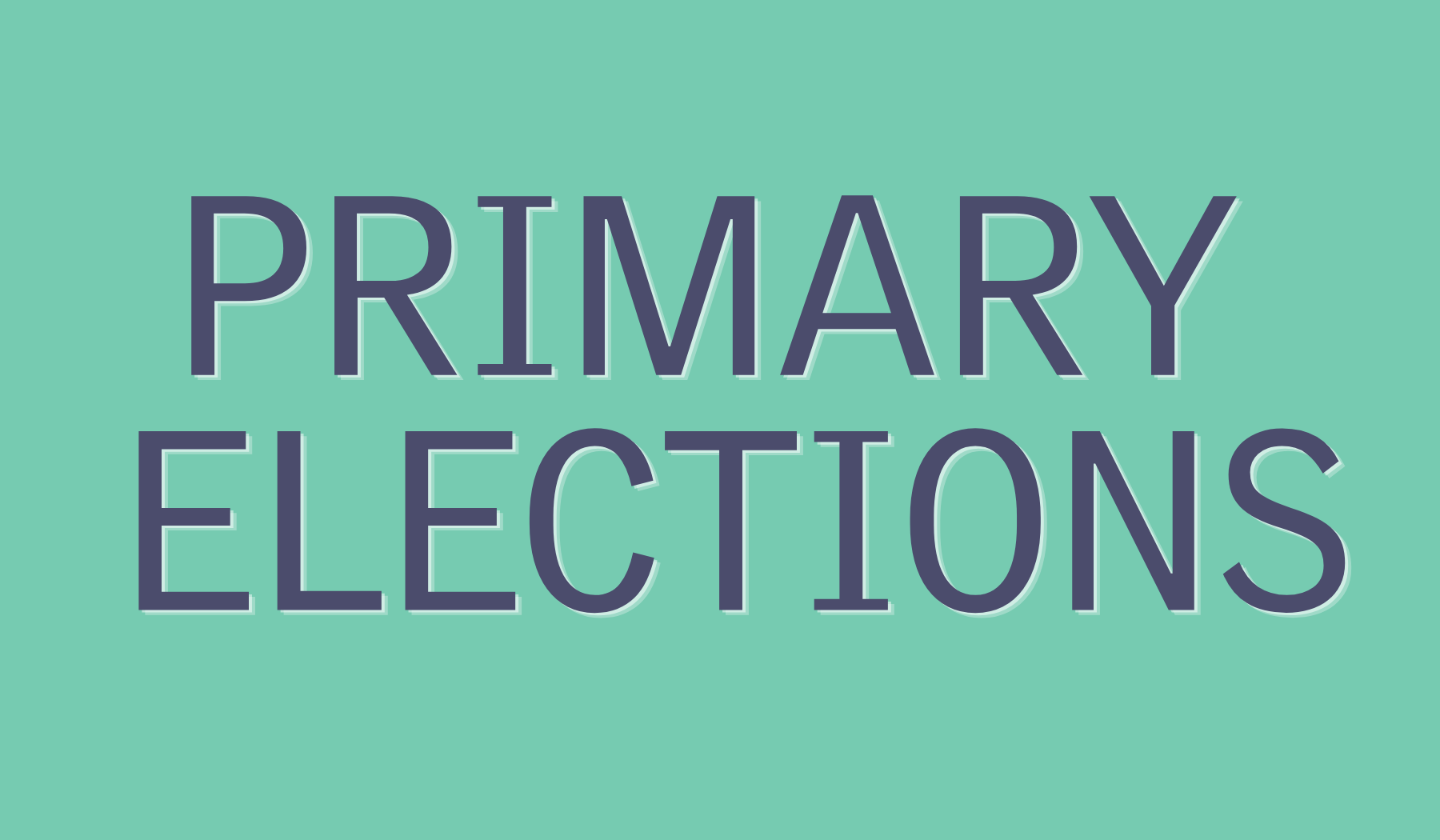
An election is the process in which eligible voters cast their ballots to choose government leaders or decide certain public issues. They may determine who holds public office or, depending on state and local law, decide ballot measures such as proposed laws, constitutional amendments, or other public questions.
Types of elections
Did you know?
There is no single national voting system. Rules vary by state.
Key Voting Laws
Voting Rights Act of 1965
prohibits racial discrimination
National Voter Registration Act
expands access
Help America Vote Act
improves election systems
Federal laws create baseline protections, but states still control most voting rules.
Voter Suppression
What is Voter Suppression?
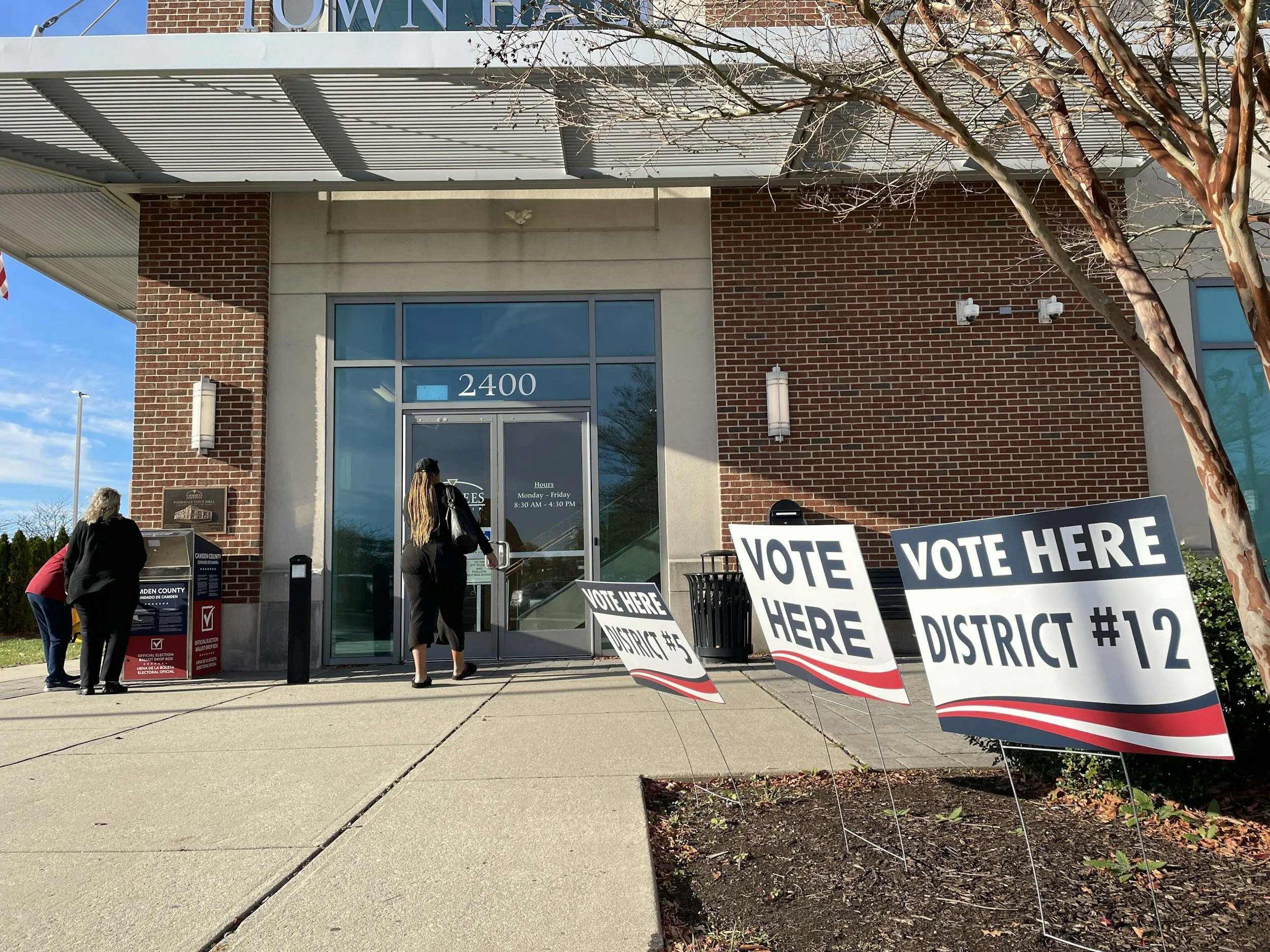
Laws, policies, practices, or actions that make it harder or impossible for eligible people to register to vote or cast a ballot.
What does it look like?
Stricter voter ID laws
Limits on mail-in voting
Reduced early voting time
Fewer polling stations
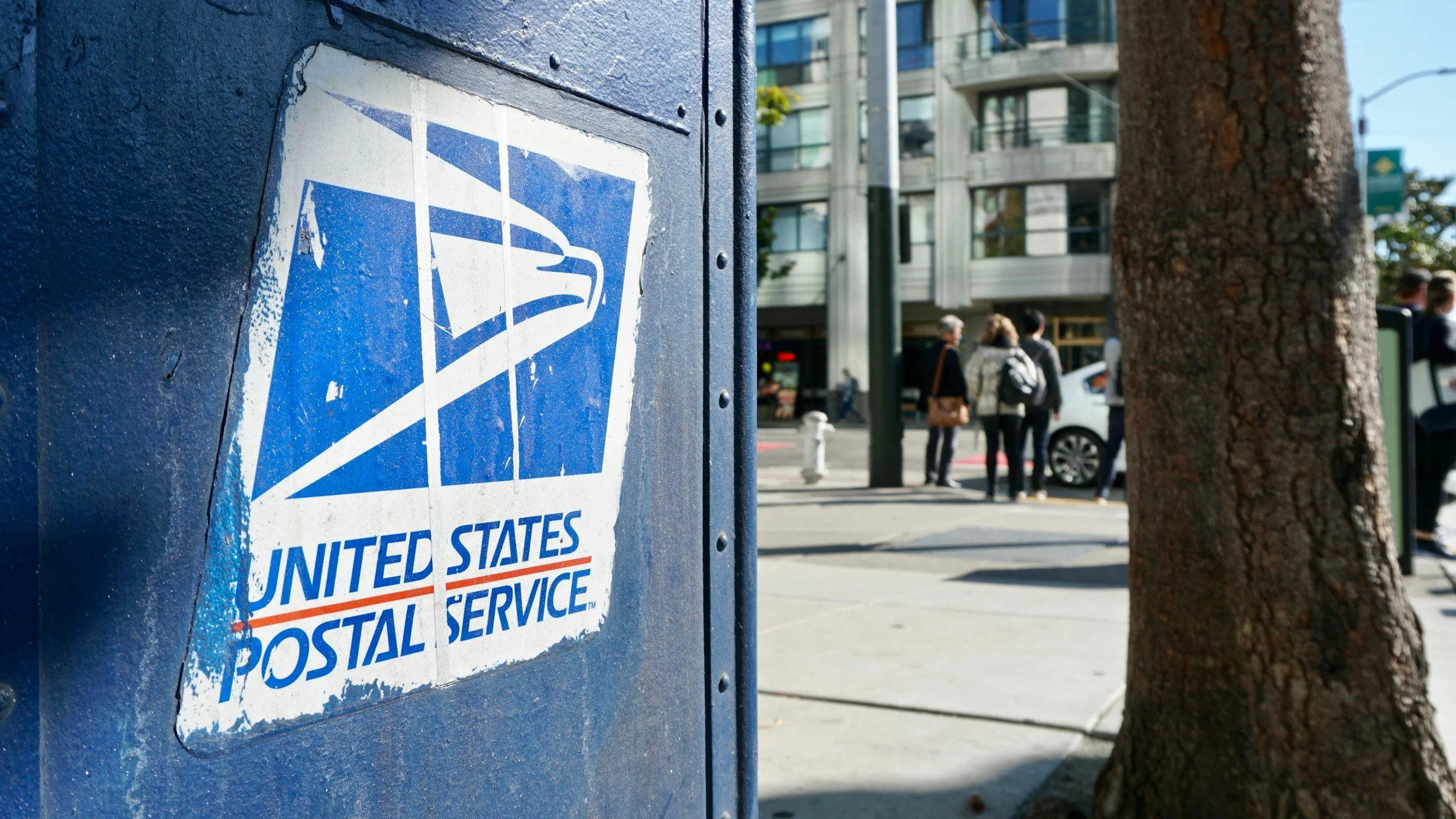
Fewer mailboxes
Making it hard for Americans living overseas to vote
Voter Intimidation
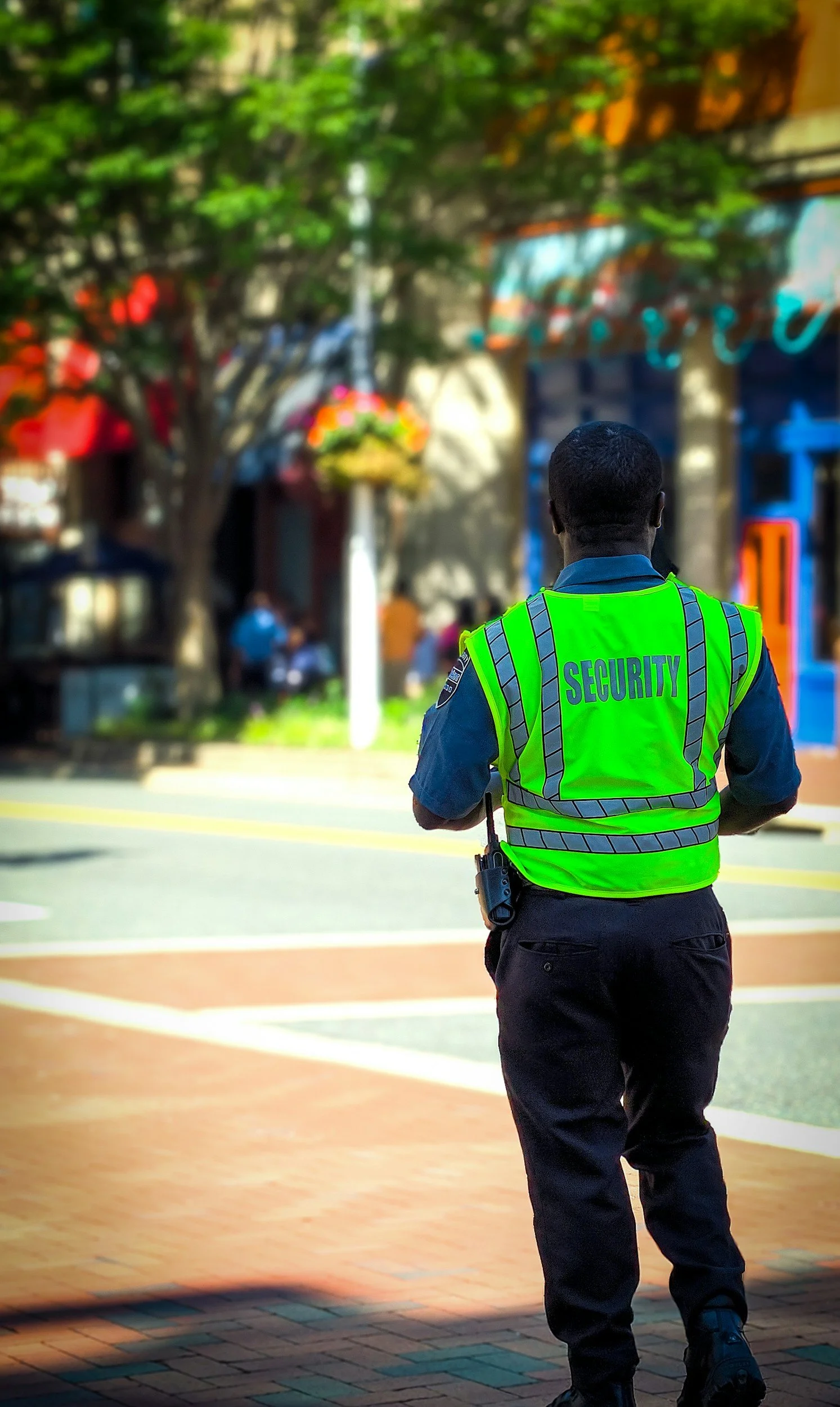
Voter intimidation is a type of suppression. It can look like increased security presence outside polling places and in surrounding areas or heckling at or around polls. Presence of ICE agents at or around polling stations should be reported to local election officers.
What is the SAVE Act?
The SAVE Act is recent legislation being currently debated. The SAVE Act, short for the Safeguard American Voter Eligibility Act, is proposed federal legislation aimed at changing how U.S. citizenship is verified when people register to vote in federal elections. This bill could mean that added layers of documentation, restriction on mail-in ballots, and financial restraint could impact your ability to vote. Learn more » SAVE ACT

Take Action
If you are subject to or witness of voter intimidation by ICE or others, call
1-866-OUR-VOTE // 866-687-8683
Report suppression and intimidation to your local election officers.
Contact your representatives to express concerns over voter safety and rights.